Sale Tags: Boost Your Retail and Digital Sales
Whether you're running a brick-and-mortar store or managing an online shop, Sale Tags can be a powerful tool to attract attention and drive sales. These stickers, labels, and banners are more than just price changes—they’re strategic elements that communicate value, urgency, and exclusivity to your customers. Understanding how to use them effectively can make a big difference in your marketing efforts.
What Are Sale Tags?
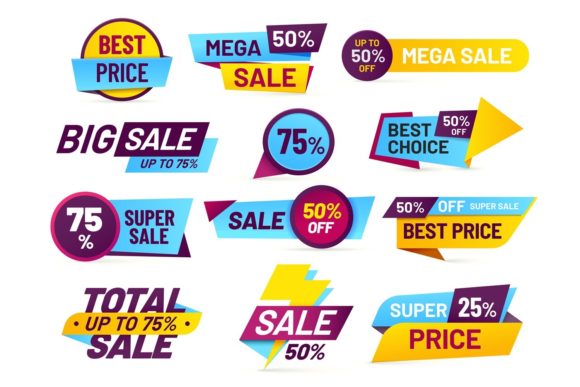
Sale Tags are visual indicators used to highlight discounted prices, promotions, or special offers. They come in various forms, including retail sales stickers, promotion price labels, and store pricing banner stickers. These tags help customers quickly identify deals and understand the value of your products. For online stores, web sale promo tags or best special cheap prices discount labels serve a similar purpose, making it easier for shoppers to find what’s on sale.
When used correctly, Sale Tags can increase customer engagement, encourage impulse purchases, and improve overall sales performance. They’re especially useful during seasonal sales, clearance events, or when introducing new products to the market.
Key Characteristics of Effective Sale Tags
High-quality Sale Tags are designed with clarity and impact in mind. They often feature bold text, contrasting colors, and clear visual cues to draw attention. For example, a "50% Off" sticker placed prominently on a product shelf or a "Limited Time Offer" banner on your website can create a sense of urgency that encourages quick decisions.
Many Sale Tags are also customizable, allowing you to adjust the message, size, or design based on your specific needs. Whether you're promoting a single item or an entire store-wide sale, these tags can be tailored to fit your brand’s style and messaging.
Why Sale Tags Matter in Different Environments
Sale Tags aren’t just for physical stores. In digital environments, they play a crucial role in online shopping experiences. Web sale promo tags can appear as pop-ups, banners, or inline messages, guiding customers toward discounted items. For instance, a "Free Shipping on Orders Over $50" label on a product page can influence purchasing behavior by reducing perceived barriers to entry.
In educational settings, Sale Tags might be used in school stores or fundraising events to promote limited-time offers. For creators and entrepreneurs, they can be part of a larger branding strategy, reinforcing the idea of value and affordability without compromising quality.
Practical Applications of Sale Tags
From small local shops to large e-commerce platforms, Sale Tags have a wide range of applications. Here are some real-world examples:
- Retail Stores: Use Sale Tags on shelves, displays, and packaging to indicate discounts, seasonal promotions, or clearance items. This helps customers navigate the store and find deals quickly.
- Online Marketplaces: Incorporate Sale Tags into product listings, banners, and email campaigns to highlight special offers and increase click-through rates.
- Event Promotions: Use temporary Sale Tags for flash sales, limited-time events, or exclusive member-only deals to create a sense of urgency and exclusivity.
- Branding Campaigns: Design custom Sale Tags that align with your brand’s visual identity, reinforcing your message and building customer recognition.
Benefits of Using Sale Tags
There are several advantages to incorporating Sale Tags into your sales strategy. First, they improve usability by making it easier for customers to locate and understand discounts. This can lead to increased efficiency in both in-store and online shopping experiences.
Sale Tags also enhance appearance and communication. A well-designed tag can elevate the look of a product while clearly conveying its value. This is especially important in competitive markets where first impressions matter.
From a business perspective, Sale Tags can boost engagement and productivity. By drawing attention to specific items or offers, they encourage customers to explore more products and make quicker purchasing decisions. This can lead to higher conversion rates and improved customer satisfaction.
How to Choose the Right Sale Tags
Selecting the right Sale Tags depends on your goals, audience, and environment. Consider factors such as visibility, durability, and customization options. For example, if you’re using Sale Tags in a high-traffic area, choose materials that can withstand frequent handling and exposure to light or weather.
Also, think about the message you want to convey. A "Best Price" tag may appeal to budget-conscious shoppers, while a "Limited Edition" label could target collectors or enthusiasts. Testing different designs and placements can help you determine what works best for your audience.
Final Thoughts on Sale Tags
Sale Tags are more than just price markers—they’re essential tools for driving sales, communicating value, and enhancing the customer experience. Whether you're a retailer, marketer, or entrepreneur, understanding how to use them effectively can give you a competitive edge in today’s fast-paced market.
Remember, the key to success lies in clarity, consistency, and creativity. By choosing the right Sale Tags and implementing them strategically, you can create a more engaging and profitable shopping environment for your customers. Start experimenting with different styles and messages to see what resonates best with your audience.